
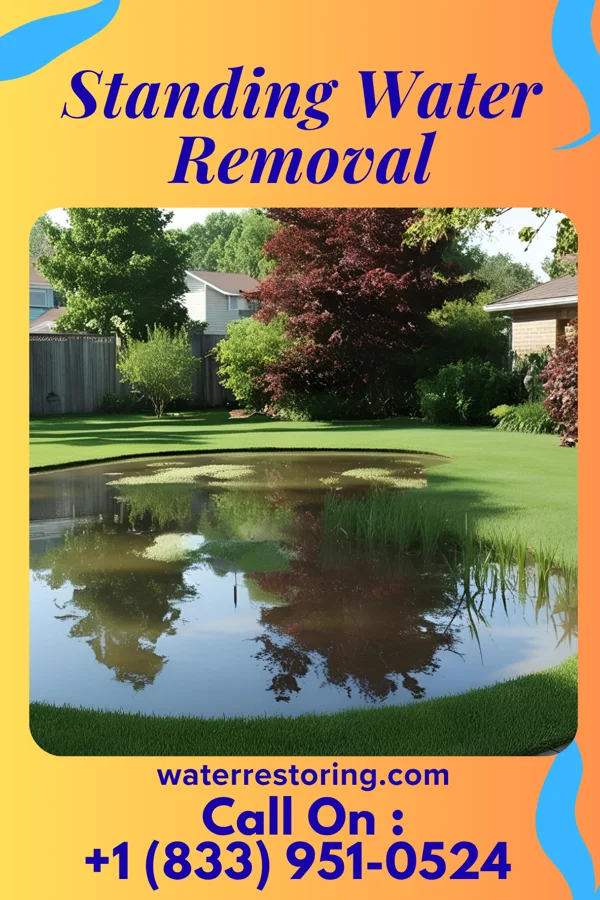
Lone Oak Standing Water Drivers
Water damage in Lone Oak tends to cluster in predictable windows because of the local climate. In Lone Oak, Texas, primary water damage often stems from burst pipes, especially during the colder months when frozen water lines can rupture. Additionally, heavy rainfall in the spring and summer can lead to flooding in low-lying areas, particularly near the Tawakoni River. These events are common due to the rural nature of the community and aging infrastructure. A close second is Secondary causes include roof leaks from storm damage, which is frequent in the area due to thunderstorms and high winds. Another common issue is water intrusion from poorly maintained septic systems, which can lead to basement flooding. These issues are exacerbated by the lack of dense urban development and reliance on older plumbing systems..
Lone Oak experiences a humid subtropical climate with hot summers and mild winters, which creates an ideal environment for mold growth. The region's frequent thunderstorms and occasional heavy rainfall increase the risk of water intrusion, especially in homes with limited drainage.
Lone Oak experiences a humid subtropical climate with hot summers and mild winters, which creates an ideal environment for mold growth. The region's frequent thunderstorms and occasional heavy rainfall increase the risk of water intrusion, especially in homes with limited drainage. The dominant local driver is In Lone Oak, Texas, primary water damage often stems from burst pipes, especially during the colder months when frozen water lines can rupture. Additionally, heavy rainfall in the spring and summer can lead to flooding in low-lying areas, particularly near the Tawakoni River. These events are common due to the rural nature of the community and aging infrastructure., with Secondary causes include roof leaks from storm damage, which is frequent in the area due to thunderstorms and high winds. Another common issue is water intrusion from poorly maintained septic systems, which can lead to basement flooding. These issues are exacerbated by the lack of dense urban development and reliance on older plumbing systems. showing up as the next most common cause. Damage builds in stages. Spread. Absorption. Microbial growth. Structural compromise. Every stage you pass through adds to the final bill.